Skip to content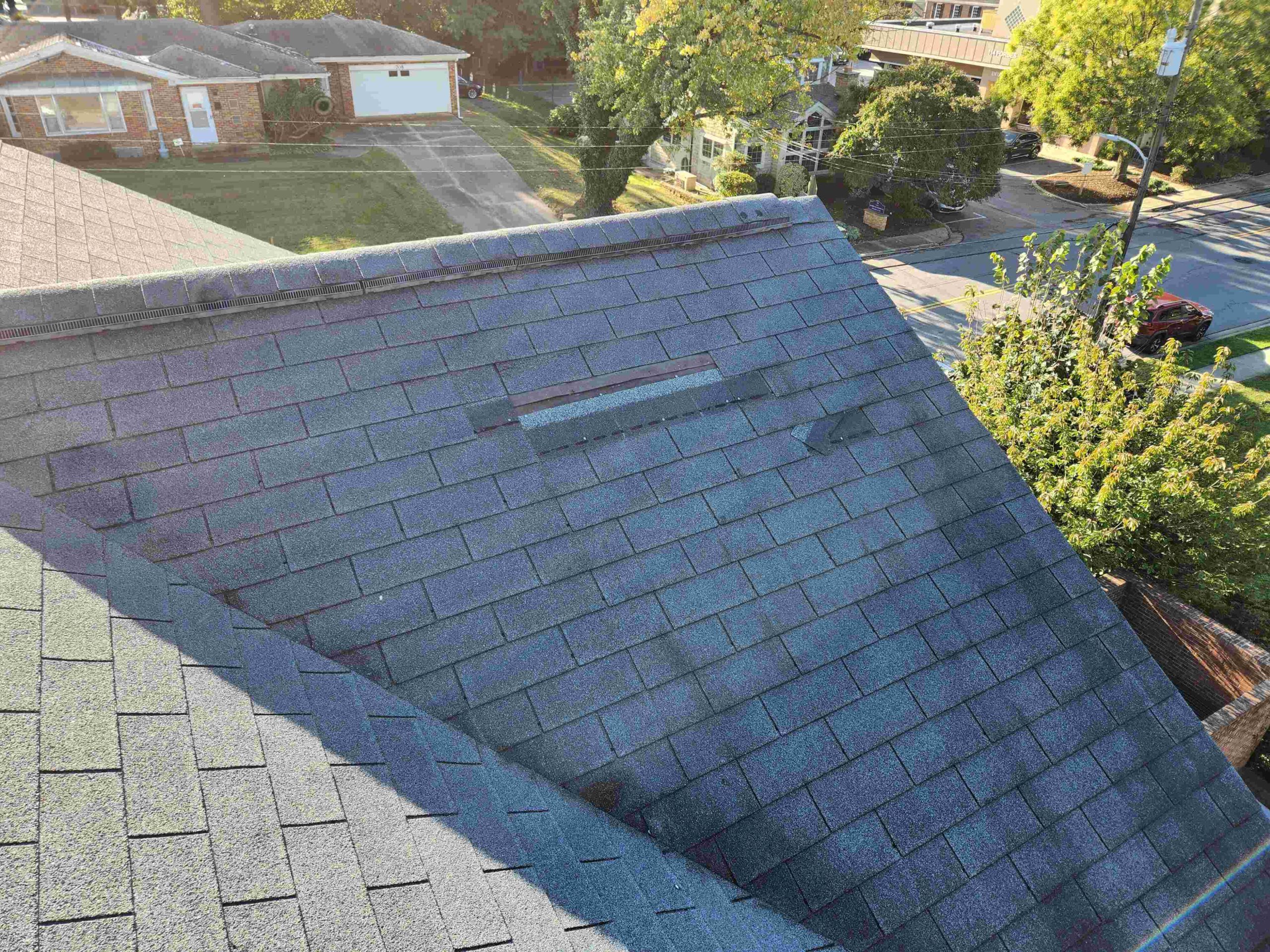
Common Roof Problems in Anne Arundel County
If you own a home in Annapolis or anywhere in Anne Arundel County, your roof takes a beating—from humid Chesapeake Bay summers and salt-tinged breezes to nor’easters and sudden cold snaps. Catching small issues early can save you thousands and extend the life of your roofing system. Here’s a practical guide to the most common roof problems we see locally, how to spot them, and when to call a pro.
1) Shingle Granule Loss & Bald Spots
Why it happens: Aging asphalt shingles naturally shed granules. Heavy rain, UV exposure, and foot traffic speed it up.
Local tell: After a storm, you’ll notice sand-like grit in gutters or at downspout exits. In Annapolis’ older neighborhoods, south-facing slopes show bald spots first.
Risk: Premature aging, leaks, and curb-appeal issues.
What to do: Schedule a roof inspection to confirm whether it’s normal wear or storm damage that might qualify for repair or replacement.
2) Missing, Lifted, or Creased Shingles
Why it happens: Wind gusts off the Bay and quick pressure changes during nor’easters can break seal strips and crease shingles.
Local tell: You’ll see tabs flapping or gone entirely—often along roof edges or rakes where wind is strongest.
Risk: Water intrusion under the shingle field, deck rot, and interior stains.
What to do: Give Odyssey Remodeling a call to schedule a fee comprehensive home inspection for storm damage. We work with all homeowners insurance companies and guarantee that you will only pay your insurance deductible to bring your home back to pre-storm conditions. Oftentimes, this results in a brand new roof for the cost of your deductible.
3) Flashing Failures (Chimneys, Walls & Valleys)
Why it happens: Metal flashing expands/contracts with temperature swings. Inadequate step flashing where roofing meets siding, brick, or stucco is a classic leak point.
Local tell: Stains on ceilings near fireplaces, dormers, or where a one-story roof ties into a two-story wall.
Risk: Hidden rot, mold, and insulation damage.
What to do: Have a licensed roofing contractor re-flash with proper step flashing, counter-flashing, and sealants designed for our climate.
4) Attic Ventilation & Moisture Problems
Why it happens: Warm, moist interior air rises into the attic. Without balanced intake (soffit) and exhaust (ridge) ventilation, moisture lingers.
Local tell: Musty odor, rusted nail tips (“nail pops”), damp insulation, or winter frost on nails and sheathing.
Risk: Mold, reduced shingle life, ice dams, and higher energy bills.
What to do: Ask for a free ventilation assessment. Often the fix is better soffit airflow, a continuous ridge vent, and air-sealing the attic floor. This matters as much in humid Anne Arundel summers as in cold snaps.
5) Algae Streaking & Moss Growth
Why it happens: Shade + humidity = organic growth. Black streaks (algae) are cosmetic, while moss lifts shingles and traps moisture.
Local tell: North-facing slopes under trees in Severna Park, Arnold, and Crownsville are frequent hotspots.
Risk: Shortened roof life if moss goes unchecked.
What to do: Professional, low-pressure cleaning and zinc or copper-infused algae-resistant shingles on your next replacement.
6) Ice Dams (Yes, Even Here)
Why it happens: Heat loss melts snow, which refreezes at the eaves. Water backs up under shingles.
Local tell: Thick icicles at gutters after a freeze/thaw cycle.
Risk: Leaks behind fascia, wet ceilings, and peeling paint.
What to do: Improve attic insulation/air-sealing, ensure balanced ventilation, and consider an eave ice-and-water shield underlayment.
7) Skylight Leaks & Curb Flashing Issues
Why it happens: Aging skylight seals and poor flashing details.
Local tell: Drips after wind-driven rain, staining around skylight wells.
Risk: Drywall damage and mold.
What to do: Re-flash or replace with modern, curb-mounted skylights with integrated flashing kits.
8) Gutter & Downspout Problems
Why it happens: Debris-filled gutters overflow into fascia and roof edges; improperly pitched downspouts dump water near foundations.
Local tell: Peeling paint, fascia rot, settling around the downspout splash area.
Risk: Edge rot, basement moisture, and siding damage.
What to do: Seasonal gutter cleanings, leaf guards that actually suit your tree types, and downspout extensions.
9) Nail Pops & Fastener Back-Out
Why it happens: Thermal movement and deck swelling can back out nails, lifting shingle heads.
Local tell: Small circular bumps on otherwise flat areas; sometimes visible from the ground in good light.
Risk: Broken seals around fasteners → slow leaks.
What to do: Re-fasten and seal. If it’s widespread, have a pro check the roof deck and nailing pattern.
10) Roof-to-Siding Transitions & Kick-Out Flashing
Why it matters: Where a roof dies into a vertical wall, water can sneak behind siding without a kick-out flashing to divert it.
Local tell: Staining or soft siding at lower wall sections near roof tie-ins—common on townhomes and additions.
Risk: Hidden sheathing rot and interior moisture.
What to do: Install a correctly sized kick-out and verify step flashing under the siding.
How to Spot Trouble Early (5-Minute Homeowner Checklist)
- Walk the exterior after storms: Scan for missing/curled shingles, lifted ridge caps, or debris piles on the roof.
- Check gutters/downspouts: Look for granules, standing water, or overflow marks.
- Peek in the attic: After heavy rain, inspect for damp sheathing, dark stains, or active drips.
- Ceilings & walls: Watch for new stains, bubbling paint, or musty smells.
- Around penetrations: Look closely at chimneys, pipe boots, skylights, and where roofing meets siding.
Repair vs. Replace: A Quick Guide
- Likely repair: A few missing shingles, a single leak at flashing, isolated nail pops, minor wind creases.
- Consider replacement: Multiple leak points, widespread granule loss, significant wind or hail damage, or a roof past its expected service life (often 18–25 years for standard asphalt in Anne Arundel County, depending on materials and ventilation).
- Insurance angle: If storm-related, document quickly and schedule an inspection—timing matters for claims.
Why Roofing & Siding Work Together
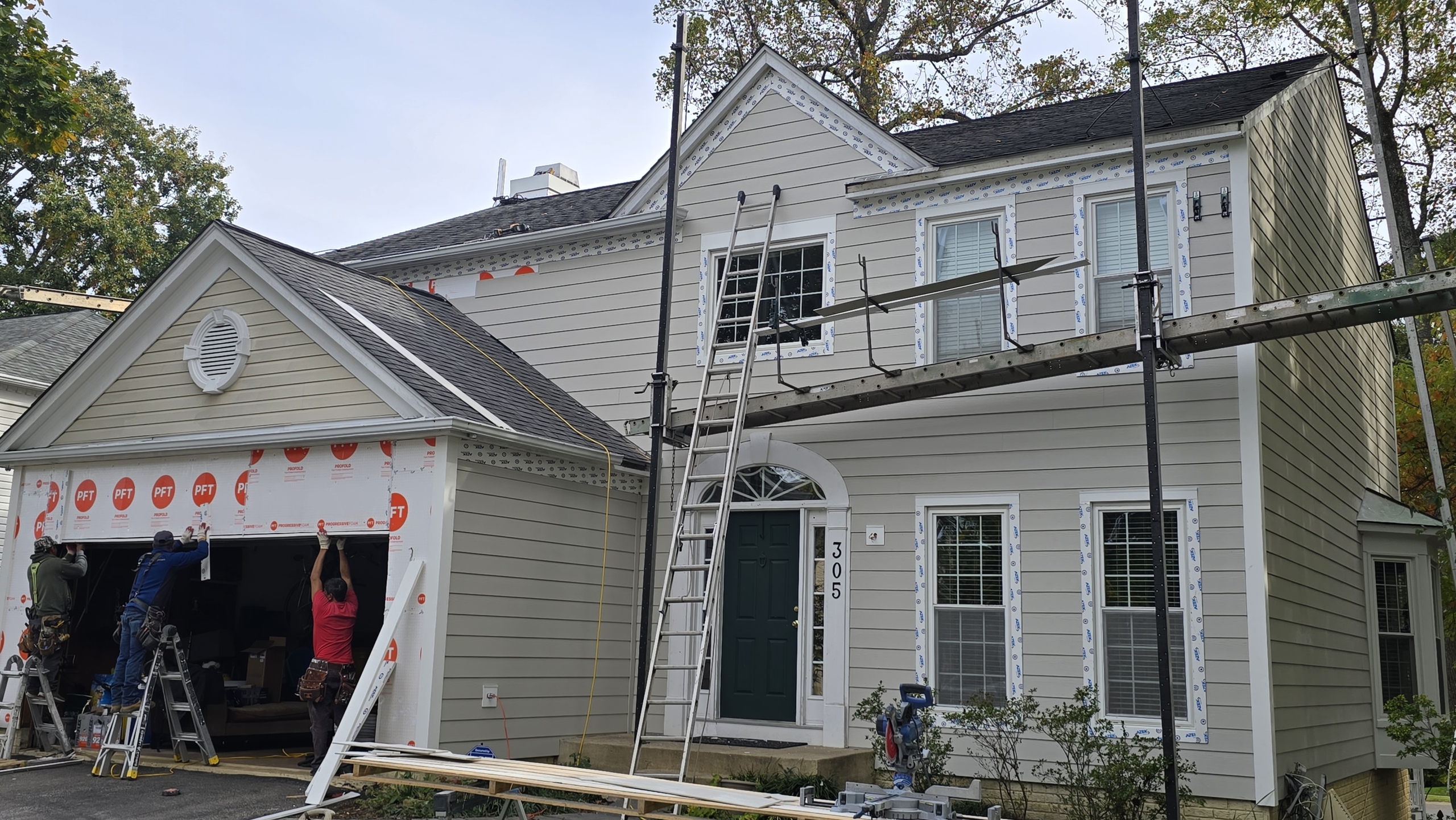
Your roof, gutters, and siding are a system that manages water. Poor step flashing or missing kick-outs doesn’t just cause roof leaks—it funnels water behind siding. Conversely, failing gutters can rot roof edges. A holistic inspection from a local Annapolis roofing and siding contractor ensures all pieces protect your home the way they should.
When to Call a Pro (and What to Expect)
- Annual/biannual inspections—especially after major wind events.
- Detailed photos & written findings so you can see what we see.
- Clear repair plans with line-item pricing (flashing, shingles, ventilation upgrades, gutter solutions).
- Product options (architectural shingles, algae-resistant blends, ice & water shield at eaves/valleys, upgraded ridge vents).
- Permits and code compliance specific to your County. (Anne Arundel County, Howard County, Prince George’s County, Montgomery County, Queen Anne’s County, Calvert County, and Baltimore County, all have different building requirements)
FAQs (Anne Arundel County & Annapolis Roofing)
How long does an asphalt shingle roof last around here?
Typically 18–25 years depending on the shingle grade, attic ventilation, and exposure. Homes near the water or heavy tree cover can trend lower without maintenance.
Do black streaks mean I need a new roof?
Not necessarily. Algae streaks are cosmetic; professional cleaning and algae-resistant shingles on replacement help.
What’s the best time of year for roof work in Annapolis?
We roof year-round, but spring and fall offer ideal temperatures for seal strips to set. After big storms, schedule fills quickly.
Can you check my roof and siding at the same visit?
Absolutely. Roof-to-wall transitions, flashing, and gutters all affect siding performance.
Call Odyssey Remodeling Today!
If you’re in Annapolis, Severna Park, Pasadena, Arnold, Edgewater, or anywhere in Anne Arundel County, we can often schedule a same-day inspection of your roofing and siding system, document any concerns, and give you a straightforward plan—repair first when it makes sense, replace only when it’s time. If we identify storm damage on your home, we can walk you through the steps required to have your roof, siding, and/or gutters replaced and paid for by your insurance company.