Skip to content
 James Hardie® Siding: Is It Worth It? A Homeowner’s Guide to HardiePlank & Fiber Cement
If you’re researching new siding, you’ve probably heard the name James Hardie® come up again and again — and for good reason. Hardie fiber cement siding is one of the most popular siding choices in the U.S. because it offers a rare combination of durability, curb appeal, and long-term value.
In this guide, we’ll break down what James Hardie siding is, what makes it different, the pros/cons, and what you should know before choosing it for your home.
What Is James Hardie Siding?
James Hardie siding is a type of fiber cement siding, made from a blend of:
- Cement
- Sand
- Cellulose fibers
- Water
That mix creates a product that looks like traditional wood siding (or board-and-batten, shakes, etc.) but performs more like a tough exterior cladding designed for decades of weather.
You’ll most commonly hear homeowners talk about:
- HardiePlank® Lap Siding (classic horizontal boards)
- HardiePanel® Vertical Siding (modern vertical look, often board-and-batten style)
- HardieShingle® Siding (shake/shingle appearance)
Why Homeowners Choose James Hardie
1) Durability in Harsh Weather
Fiber cement is built to handle wind, heavy rain, humidity, and temperature swings better than many traditional siding materials. It doesn’t warp like wood, and it isn’t as brittle as some older vinyl products can be in cold conditions.
2) Fire Resistance
Because it’s cement-based, fiber cement is non-combustible — a major advantage compared to wood-based siding products.
3) Pest Resistance
Termites and carpenter ants love wood. Fiber cement? Not so much. Hardie siding is a great option for homeowners who want peace of mind against pests.
4) Curb Appeal That Looks “High-End”
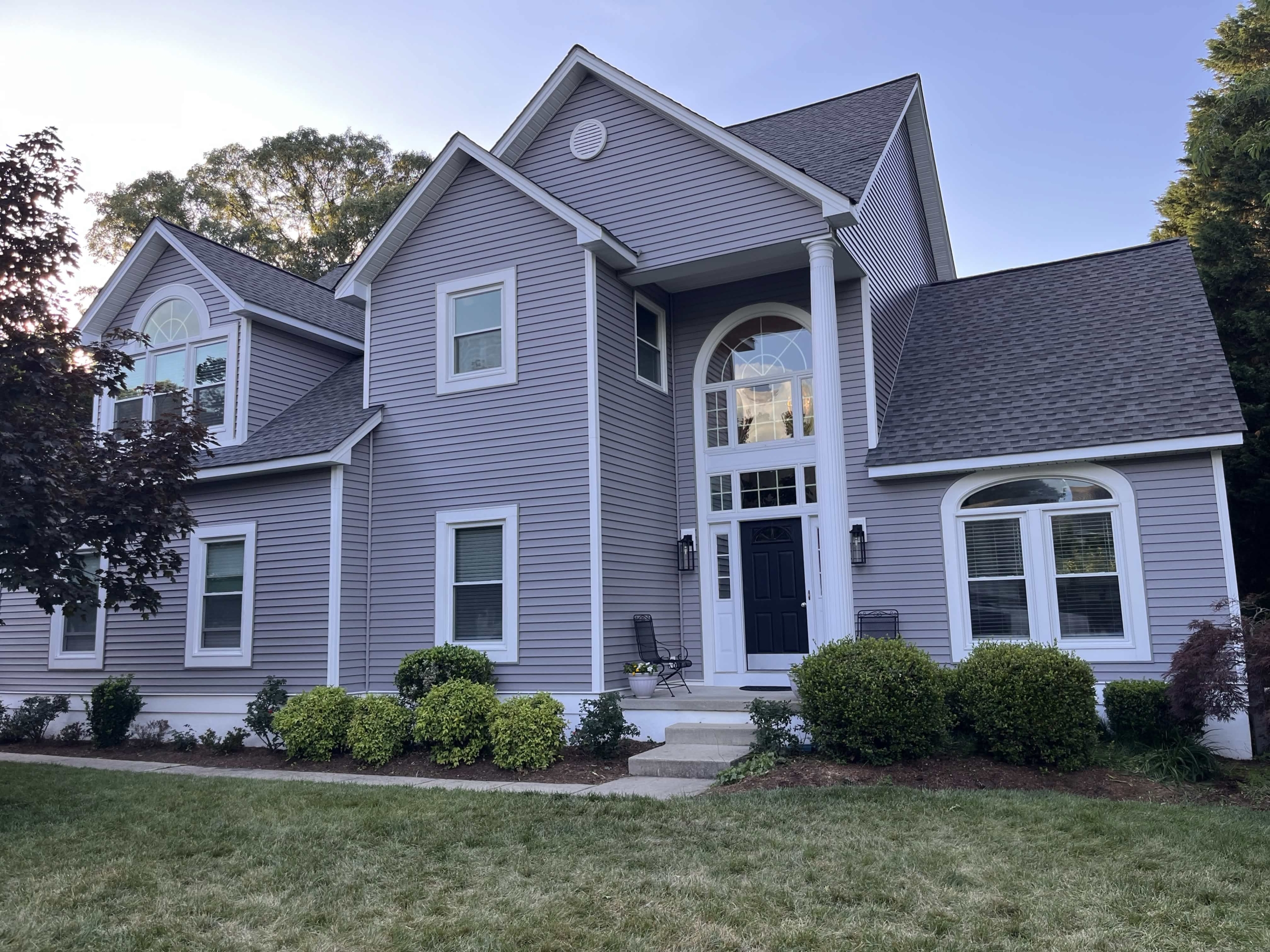
James Hardie has a clean, crisp look. The seams are sharp, the profiles are consistent, and the finished product often looks more “custom” than builder-grade siding.
Hardie® Color Options: Primed vs. ColorPlus®
There are two common approaches:
Primed Hardie (Painted After Installation)
- Typically lower upfront material cost
- Gives you unlimited paint choices
- Depends heavily on the quality of the paint + prep + installer
Hardie ColorPlus® Technology (Factory-Finished)
- Factory-applied color baked on for consistency
- Often longer-lasting finish and better fade resistance
- Faster final look (no waiting for paint crews)
If you want the cleanest “done in one shot” install, ColorPlus is usually the move. If you want full customization or plan to repaint later, primed can make sense.
The Real Pros and Cons of James Hardie Siding
Pros
- Extremely durable and long-lasting
- Excellent curb appeal and resale value
- Resistant to fire, pests, rot, and many weather issues
- Many styles: lap, shakes, vertical, modern looks
Cons
- Higher upfront cost than basic vinyl
- Heavier material (installation quality matters a lot)
- Cutting fiber cement creates silica dust (installer must follow safety practices)
- Requires proper flashing, clearance, and detailing to avoid moisture problems
The biggest takeaway: Hardie is a premium product, but it’s only as good as the installation.
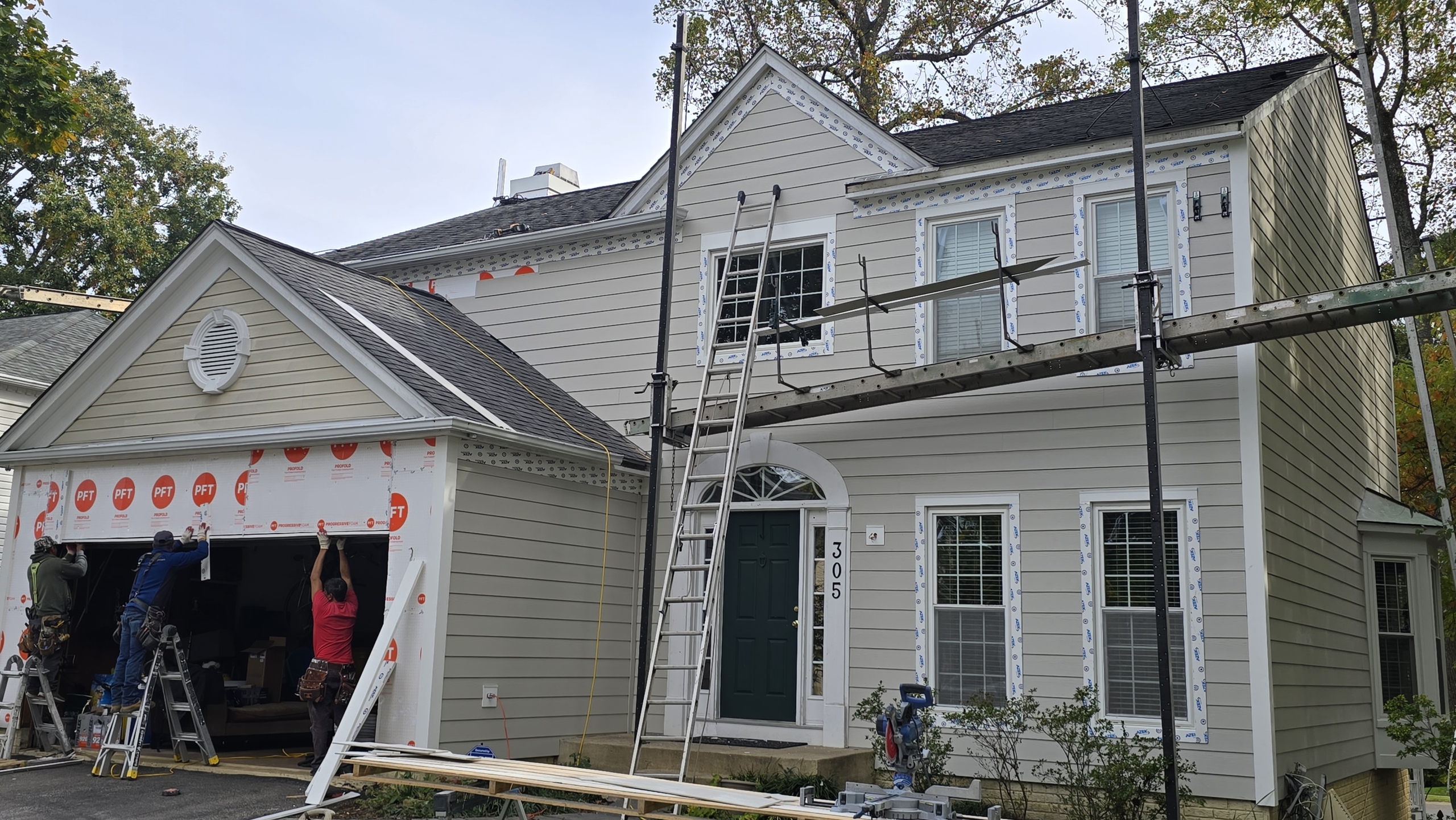
Installation Matters More Than Most Homeowners Realize
Fiber cement isn’t “hard,” but it is precise. The best-looking Hardie jobs also tend to be the ones that last the longest because the contractor follows the details that prevent water intrusion and premature wear.
A professional installation should include:
- Correct flashing around windows/doors
- Proper water-resistive barrier (house wrap or equivalent)
- Correct clearance from roofing, decks, concrete, and grade
- Proper fastening patterns
- Clean trim transitions and caulking where appropriate
If a contractor cuts corners here, any siding can fail — even the best brand on the market.
Is James Hardie Siding Worth the Cost?
For many homeowners, yes — especially if you plan to stay in the home long-term or you’re upgrading a house where curb appeal matters.
Hardie is often worth it when you want:
- A long-term exterior solution
- A more upscale look than basic vinyl
- Strong resistance to weather, pests, and fire
- Less worry about rot and warping
If your top priority is lowest upfront cost, vinyl may win. If your priority is value and longevity, Hardie tends to shine.
How to Get the Best Result with Hardie Siding
Before signing a contract, ask your installer:
- Are you experienced with fiber cement specifically?
- Do you follow manufacturer specs for flashing + clearances?
- What’s included in trim, soffit, fascia, and water management?
- Are you using primed or ColorPlus® materials?
- What warranty do you provide on workmanship?
A reputable contractor should be comfortable answering these and explaining the details.
Ready for a James Hardie Siding Estimate?
Call Odyssey Remodeling Today!
If you’re in Annapolis, Severna Park, Pasadena, Arnold, Edgewater, or anywhere in Anne Arundel County, we can often schedule a same-day estimate.